

Blog

Category: Blogs

Best Coffee Beans to Buy in Dubai for Home Brewing: Beginner to Pro Guide

Dubai has quickly become a specialty-coffee hub: industry infrastructure and trade initiatives (like the DMCC Coffee Centre), local roasters, and major trade shows are concentrating access to high-quality green and roasted beans — which means better variety, fresher microlots, and a growing local scene for home brewers. How to Use This Guide This guide is structured for all home brewers: Beginners: Start with friendly beans and simple brew tips Intermediate: Understand roast profiles and methods Pro: Dive into single-origin complexity, storage, and extraction precision ☕ Quick Buyer’s Checklist Before picking your beans, make sure you check: Roast date: always choose beans roasted within the last 2–4 weeks for drip/pour-over; 3–14 days for espresso depending on taste. Origin & processing: single-origin = distinct flavours; natural/washed/honey processing changes sweetness and body. Roaster transparency: look for tasting notes, roast level, and recommended brew method. Whole bean (buy whole, grind fresh) unless you truly need pre-ground. Buy local when possible — Dubai roasters roast to order and deliver quickly. ? Best Coffee Beans to Buy in Dubai (via Asala Coffee) Here are top bean selections you can find and brew at home, from approachable to advanced: 1. Guji-Hambela (Ethiopia) – Premium Arabica A beautifully balanced bean with fruity, chocolaty notes and hints of dried apricot, great for pour-over and V60 2. Brazilian Drip Box Beans — Classic Everyday Brew Smooth body with nutty sweetness — excellent for drip coffee machines or French press. 3. Ethiopian Drip Box — Bright & Floral A vibrant profile perfect for filter brewing and showcasing delicate coffee flavours. (Tip: Asala’s beans are roasted in small batches to preserve origin character — ideal for both beginners and seasoned brewers.) ☕ Best Beans by Skill Level ? For Beginners Brazilian Medium Roast: smooth, balanced, and forgiving — perfect for drip machines and French press. Blended Beans: consistent flavours that make your everyday coffee easy. Brew Tips: Medium grind, 1:16 coffee-to-water ratio, and fresh beans. (Simple setup, delicious results.) ? Intermediate Brewers Ethiopian Single Origin: bright acidity and floral complexity make these beans ideal for pour-over/V60 or Aeropress. Guji-Hambela: For dialling in sweetness and clarity. Brew Tips:✔ Bloom your pour-over first (30-40s)✔ Use a gooseneck kettle for control✔ Experiment with grind size to adjust clarity ☕ Expert / Pro Home Brewers Exploring Microlots & Single Origin Profiles: Once familiar with basics, explore the nuances of every origin. Adjust Extraction Precisely: Use scales and timers — small tweaks in dose or grind can dramatically elevate taste. Advanced Brew: Espresso dial-in (18-20 g beans → 36-42 g shot in ~30s), V60 with controlled pour, and cold brew concentrates are all great ways to show off high-quality beans. Roasted Just Right (Medium Roast) This coffee is roasted to a medium profile for one simple reason: it lets the beans speak for themselves. You get: Natural sweetness instead of smoke Brightness without harshness Body without heaviness It’s the kind of roast that works just as well in the morning rush as it does during a slow afternoon break.
Read More »

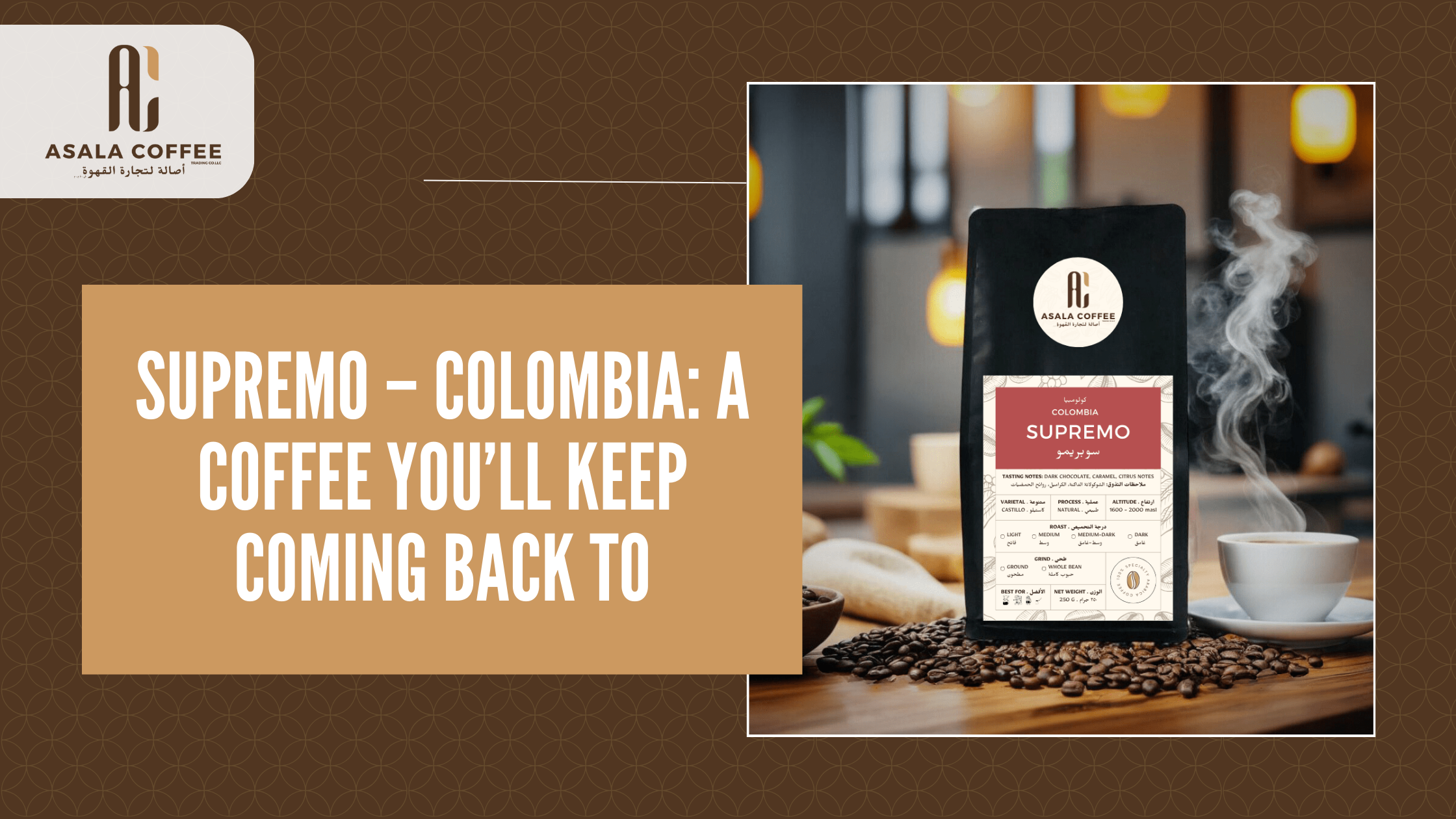
SUPREMO – COLOMBIA: A Coffee You’ll Keep Coming Back To

Some coffees impress you once.Others quietly earn a permanent place in your kitchen. SUPREMO – COLOMBIA falls into the second category. It’s smooth without being boring, bright without being sharp, and rich without feeling heavy. Whether you drink coffee to start your day or slow it down, this Colombian Supremo delivers a cup that just feels right. Freshly roasted and packed in Dubai, this is a medium-roast Colombian Arabica designed for people who value balance, clarity, and real flavor—no gimmicks. Why Colombian Supremo Is So Well Loved? Colombia has built its reputation on consistency and quality, and Supremo-grade beans are the best of that tradition. “Supremo” refers to the largest, most uniform Arabica beans, which roast more evenly and extract more cleanly. Grown at high altitudes and hand-picked, these beans develop natural sweetness and a gentle acidity that makes Colombian coffee so easy to enjoy. In short: it’s coffee that’s hard to mess up—and even harder not to like. What You’ll Taste in Every Cup This coffee doesn’t overwhelm you. It unfolds. ☕ Caramel sweetness comes first—soft, warm, and comforting.? Toasted nut notes add depth and a subtle richness.? A light citrus touch keeps everything fresh and clean on the finish. The result is a cup that’s smooth, balanced, and never bitter. Great black, even better with milk. Roasted Just Right (Medium Roast) This coffee is roasted to a medium profile for one simple reason: it lets the beans speak for themselves. You get: Natural sweetness instead of smoke Brightness without harshness Body without heaviness It’s the kind of roast that works just as well in the morning rush as it does during a slow afternoon break. Brew It Your Way One of the best things about SUPREMO – COLOMBIA is how flexible it is. Espresso: Smooth shots with a nutty crema and gentle sweetness Filter / Pour-over: Clean, bright, and easy to drink French Press: Fuller body with richer nut notes Moka Pot: Bold and satisfying without bitterness No matter how you brew, it stays balanced and dependable. SUPREMO – COLOMBIA isn’t trying to be trendy. It’s simply good coffee, reliable, comforting, and quietly impressive. The kind you reach for without thinking.The kind you’re happy to serve guests.The kind you reorder. If you’re looking for a Colombian coffee that delivers every single time, this one deserves a spot in your brew lineup. Shop Now: Supremo Columbia – Asala Coffee

Read More »

Venezuela Premium Arabica Coffee Beans – Rich, Smooth & Aromatic | Asala Coffee

Venezuela Premium Arabica Coffee: A Smooth and Rich Taste Experience For coffee lovers seeking an elevated and authentic specialty cup, Venezuela Premium Arabica Coffee is a treasure worth discovering. Known for its naturally sweet flavor, velvety aroma, and balanced acidity, this specialty bean stands among the most refined varieties of Arabica in South America. At Asala Coffee Shop & Wholesalers, we bring this premium Venezuelan coffee directly to roasters, cafés, and home brewers looking for unmatched quality. ☕ What Makes Venezuelan Premium Arabica Special? Venezuelan coffee has a long history of premium cultivation on fertile, mineral-rich soil. The unique growing conditions of the Andes produce coffee with: Smooth body Natural sweetness Creamy chocolate notes Balanced acidity These naturally occurring flavors provide a stable yet vibrant taste that resonates with both professional baristas and casual coffee drinkers. ? Ideal Growing Conditions in Venezuela The secret behind Venezuela’s exceptional Arabica lies in its geography: High altitudes of 1,200–1,800 meters Moist mountain climate Nutrient-rich volcanic soil Shade-grown farming practices These factors slow the growth of each bean—allowing richer development of sugar, oils, and aroma. ? Flavor Profile of Asala’s Venezuela Premium Arabica When brewed, this coffee offers: Aromas of cacao and toasted nuts Rich chocolate undertones Light fruity sweetness Silky smooth finish Whether enjoyed as espresso or brewed filter, it delivers a creamy, luxurious cup that feels both comforting and gourmet. ? Why Choose Asala Coffee’s Venezuelan Arabica? Asala Coffee ensures each bean is:✔ Freshly sourced from premium farms✔ Expertly roasted for maximum flavor✔ Offered in both retail and wholesale quantities✔ Stored and delivered with industry-grade quality care Whether you own a café, need wholesale supplies, or simply love brewing specialty coffee at home, Asala guarantees quality that stands out. ? Wholesale & Retail Options Asala Coffee provides: ? Wholesale bulk orders for cafés & roasters ? Retail packs for home brewing ? Custom orders for corporate & hospitality needs We supply pure, premium Arabica with transparent sourcing and fair pricing. ? Experience True South American Excellence If you’re searching for a coffee that combines smooth texture, rich chocolate flavors, and authentic South American heritage, Venezuela Premium Arabica from Asala Coffee is your ideal choice. ? Taste the richness of Venezuela in every sip.? Order now and elevate your brewing experience. Shop Now: Venezuela Premium Arabica – Asala Coffee

Read More »
Why Asala Coffee’s Yirgacheffe Ethiopian Arabica Is a Must-Try

Why Asala Coffee’s Yirgacheffe Ethiopian Arabica Is a Must-Try

If you’re searching for a coffee that brings the very soul of Ethiopia to your cup, look no further than Asala Coffee’s Yirgacheffe Ethiopian Arabica. Known for its bright acidity, delicate floral notes, and citrusy clarity, Yirgacheffe is one of the most celebrated coffee origins in the world — and Asala brings you the very best of it. A Glimpse into Yirgacheffe: The Origin & Terroir Where It GrowsYirgacheffe sits in the Gedeo Zone of Southern Ethiopia, with a unique highland environment that shapes its coffee’s character. Coffee here is typically grown between 1,700 and 2,200 meters above sea level, which slows the cherry’s maturation and enhances its flavor complexity.  Heirloom VarietalsAs with many top-tier Ethiopian coffees, the Yirgacheffe beans in Asala’s offering are likely from heirloom varieties — indigenous cultivars that have evolved locally and deliver distinctive, nuanced flavors. The Processing: Washed for Clarity Asala’s Yirgacheffe is processed using the washed method, a technique where the coffee cherry’s pulp is removed before drying. This method: Produces a clean, bright cup profile Preserves delicate floral and citrus notes. Helps retain a light-to-medium body and transparency in flavor In Yirgacheffe’s traditional washing stations, beans are usually fermented (to remove mucilage) and then dried on raised African beds under the sun.  Tasting Profile: What to Expect in Your Cup When you brew Asala’s Yirgacheffe, you’re likely to experience: Floral aromatics — hints of jasmine or orange blossom. Citrus notes — lemon, bergamot, or even a light lime tang. Bright, clean acidity — a classic hallmark of washed Ethiopian coffees. Tea-like body — delicate and refined, not heavy. Subtle fruit undertones — sometimes berries, apricot, or nectar-like sweetness Why This Coffee Stands Out: The Asala Advantage Quality & TraceabilityAsala Coffee sources high-grade, ethically grown Yirgacheffe beans. Their commitment to quality ensures purity in taste while maintaining sustainable practices. Perfect for Both Roasters & RetailWhether you’re a wholesaler or a café, Asala’s green Yirgacheffe Arabica gives you the flexibility to roast to your preferred profile — light to medium roasts work exceptionally well. Balanced VersatilityThis coffee is versatile. It performs beautifully in pour-over, drip, Aeropress, and even espresso, giving a crisp, floral shot or a delicate brew depending on your grind and method. Freshness MattersAsala makes sure to maintain bean integrity (good storage, freshness) so that each batch of Yirgacheffe you receive retains its complex notes and brightness. Elevate Your Coffee Experience with Asala’s Yirgacheffe If you’re passionate about coffee that tells a story — a story of lush Ethiopian uplands, traditional harvesting, and refined processing — Asala Coffee’s Yirgacheffe Ethiopian Arabica is an excellent choice. This coffee isn’t just a beverage; it’s a journey through flavor, heritage, and craftsmanship. Ready to take your coffee game to the next level?Order a batch of Asala’s Yirgacheffe, roast it lightly, and savor the floral citrus magic that only a true Yirgacheffe can deliver. Click here to Buy Asala’s Yirgacheffe

Read More »
The Ultimate Guide to Asala Coffee Drip Boxes: Brazilian, Ethiopian & Colombian

The Ultimate Guide to Asala Coffee Drip Boxes: Brazilian, Ethiopian & Colombian – Fresh Specialty Coffee Anytime, Anywhere

Fresh, barista-quality coffee doesn’t have to be complicated — or tied to a machine. With Asala Coffee’s premium drip boxes, you can enjoy fresh specialty-grade brews anywhere: at the office, during travel, on a hike, or even while relaxing at home. In this guide, we dive into the three bestselling Asala Coffee Drip Boxes: Brazilian Drip Box Ethiopian Drip Box Colombian Drip Box Each offers a unique flavor profile, made from freshly roasted Arabica beans and packed conveniently in easy-to-use drip bags. Just pour hot water, wait a few seconds, and enjoy a café-quality cup—no equipment required. Let’s explore what makes each one special and why drip coffee is becoming one of the fastest-growing trends in the UAE. What Are Drip Coffee Boxes — And Why Are They Popular in the UAE? Drip coffee bags are the perfect blend of convenience, freshness, and specialty quality. Think of them as the modern version of instant coffee — but made from real, premium, freshly roasted Arabica beans. Why coffee lovers choose drip coffee: No machines needed Perfect brew every time Portable and travel-friendly Fresh flavor — not processed like instant coffee Consistent specialty-quality cup In a fast-paced region like Dubai and the wider UAE, drip coffee has become a daily essential for professionals, students, commuters, and travelers. 1. Brazilian Drip Box – Smooth, Creamy & Comforting The Brazilian Drip Box is your go-to choice if you love a rich, creamy, and chocolatey cup. Sourced from Brazil’s famous Cerrado region, this drip box guarantees a smooth and well-balanced flavor with a comforting finish. Flavor Profile: Creamy body Nutty richness Smooth chocolate notes Best For: ✔ Espresso lovers✔ Cappuccino & latte drinkers✔ Those who enjoy warm, comforting flavors Why It Stands Out The Brazilian Drip Box offers the “classic coffee experience” that appeals to all palates. Whether you’re at your desk or on the go, this drip bag delivers a consistent, silky cup every time. 2. Ethiopian Drip Box – Floral, Fruity & Full of Aroma Ethiopia is the birthplace of Arabica coffee, and the Ethiopian Drip Box captures the essence of its high-altitude beans. This option is bright, aromatic, and naturally sweet, perfect for those who enjoy a lively and refreshing cup. Flavor Profile: Floral aroma Fruity sweetness Refreshing citrus notes Best For: ✔ Pour-over lovers✔ Light & vibrant coffee drinkers✔ Those who enjoy fruity acidity and floral complexity Why It Stands Out This drip box offers a specialty café-style pour-over without any equipment. It’s ideal for mornings when you want something bright, clean, and uplifting. 3. Colombian Drip Box – Balanced, Smooth & Versatile The Colombian Drip Box is known for its smooth body, fruity sweetness, and citrusy brightness—a beautifully balanced cup suitable for any time of day. Flavor Profile: Soft floral aroma Gentle fruity sweetness Light citrus undertones Best For: ✔ All-day drinkers✔ Fans of balanced, medium-profile coffees✔ Office or travel use Why It Stands Out Colombian Arabica is universally loved for its versatility. This drip box gives you a smooth, approachable cup—perfect whether you drink it hot, iced, or with milk. Where to Buy Asala Coffee Drip Boxes in the UAE You can order all three drip boxes — Brazilian, Ethiopian, and Colombian — directly from the official Asala Coffee website.They are available for nationwide delivery across the UAE, ensuring freshness and convenience.

Read More »

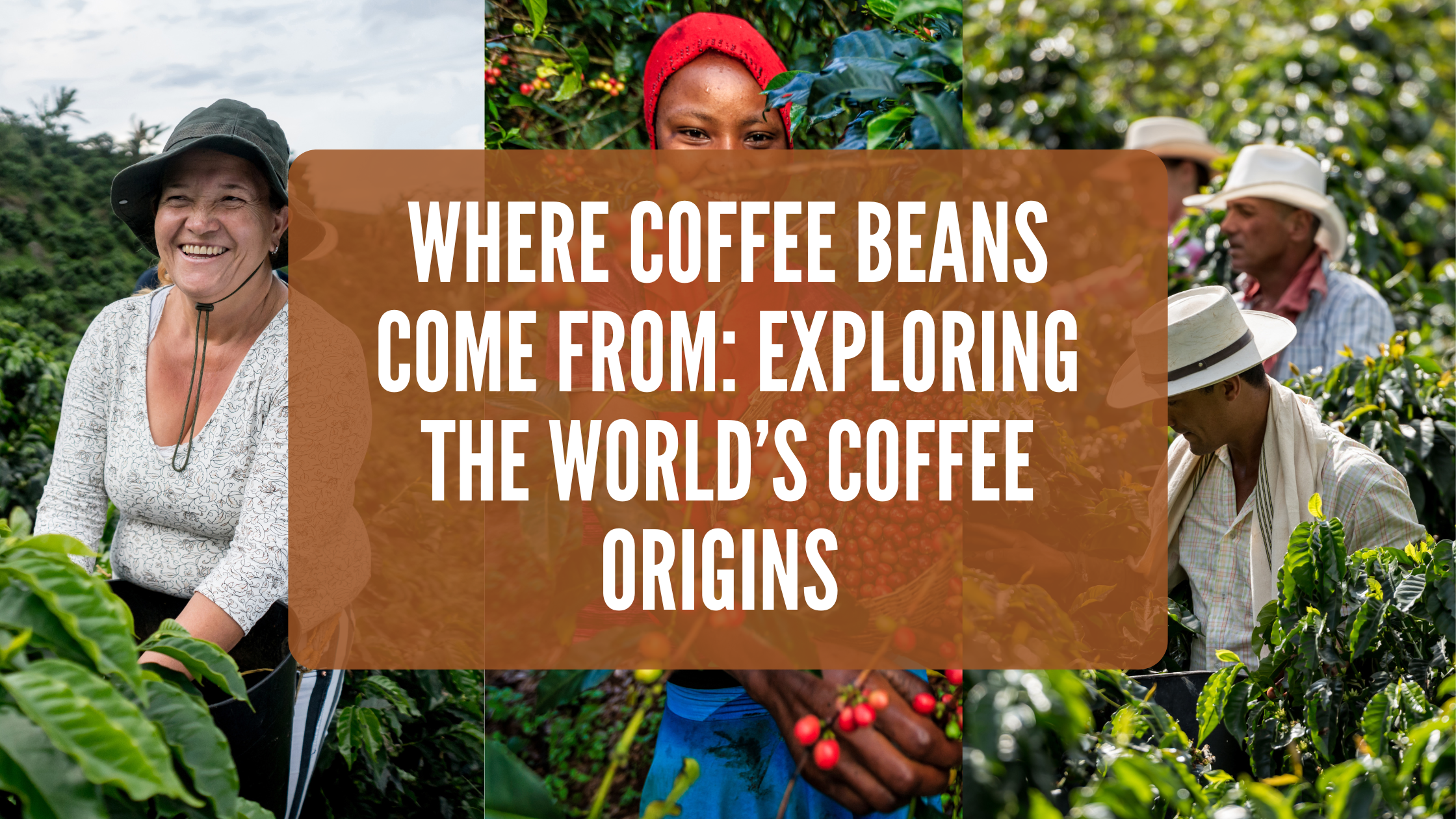
Where Coffee Beans Come From: Exploring the World’s Coffee Origins

Coffee is more than just a morning ritual—it’s a journey that begins in some of the most diverse and vibrant regions of the world. From the high-altitude farms of Ethiopia to the lush plantations of Colombia, each coffee bean carries the unique flavors and traditions of its origin. In this guide, we’ll explore the fascinating origins of coffee beans, the regions that produce them, and what makes each one special. The Birthplace of Coffee: Ethiopia Ethiopia is widely regarded as the birthplace of coffee, where the legend of Kaldi, the goat herder, first discovered the energizing effects of coffee cherries. Today, Ethiopia remains one of the world’s top coffee producers, known for its distinctively fruity and floral flavors. Key Ethiopian Coffee Regions: Sidamo: Famous for its bright acidity and citrusy notes. Yirgacheffe: Renowned for its floral and tea-like qualities. Harrar: Known for its bold, wine-like flavors and blueberry undertones. Ethiopian coffee is often processed using the natural (dry) method, which enhances its fruity characteristics. The Coffee Belt: A Global Phenomenon Coffee thrives in the Coffee Belt, a region between the Tropics of Cancer and Capricorn. This belt includes over 70 countries, but a few stand out as the world’s top producers. 1. Colombia: The Land of Balanced Coffee Colombia is synonymous with high-quality Arabica beans. Its mountainous terrain and consistent climate produce coffee with a well-balanced flavor profile, featuring notes of caramel, nuts, and mild citrus. 2.   Brazil: The King of Coffee Production Brazil is the largest coffee producer globally, accounting for about one-third of the world’s coffee supply. Brazilian coffee is often nutty, chocolatey, and low in acidity, making it a favorite for espresso blends. 3.   Vietnam: The Robusta Powerhouse Vietnam is the leading producer of Robusta beans, which are known for their strong, bold flavor and higher caffeine content. Vietnamese coffee is often used in instant coffee and traditional Vietnamese iced coffee (cà phê sữa đá). 4.   Central America: A Hub of Specialty Coffee Countries like Guatemala, Costa Rica, and Honduras are celebrated for their specialty coffees. These regions produce beans with bright acidity, complex flavors, and a clean finish, often grown at high altitudes. What Influences Coffee Flavor? The flavor of coffee is shaped by several factors, including: Altitude: Higher altitudes produce beans with more acidity and complexity. Soil: Volcanic soil, like that in Guatemala, adds mineral richness. Processing Method: Washed, natural, or honey-processed beans each offer unique flavors. Climate: Temperature and rainfall affect the bean’s development. Step 5: Roasting — Where Asala Coffee Adds Its Signature Touch Roasting is where chemistry, heat, and artistry collide. Green beans are roasted between 180°C and 240°C, transforming sugars, acids, and oils into complex flavor compounds through the Maillard reaction and caramelization. At Asala Coffee, our roasting process is guided by three core principles: Precision: Every batch is digitally profiled to control temperature and time for consistency. Freshness: We roast in small batches to ensure every bag is aromatic and full-bodied. Character: Each origin is roasted differently — a light roast for Ethiopian beans to preserve floral notes, or a medium roast for Brazilian beans to highlight chocolatey sweetness. How to Choose Coffee Based on Origin When selecting coffee, consider the flavor profiles of different regions: For Bright, Fruity Notes: Try Ethiopian or Kenyan coffee. For Balanced, Nutty Flavors: Colombian or Brazilian beans are ideal. For Bold, Earthy Tones: Vietnamese Robusta or Sumatran coffee. Conclusion: A World of Flavor in Every Cup Understanding where coffee beans come from adds depth to your coffee experience. At Asala Coffee, we source our beans from the finest regions to bring you the best flavors the world has to offer. Whether you prefer the fruity notes of Ethiopia or the chocolatey richness of Brazil, there’s a coffee origin waiting to delight your palate. Explore our collection of premium coffees today and taste the world in every sip!

Read More »

How Coffee Is Made: From Bean to Cup | Inside Asala Coffee’s Roasting Craft

Coffee’s magic begins long before it reaches your mug. Every sip tells the story of farmers, pickers, roasters, and baristas working together to transform a humble cherry into the perfect cup. In this article, we’ll walk you through how coffee is made — from the farm to your cup — and reveal how Asala Coffee’s roasting process brings out the very best in every bean. Step 1: Cultivating the Coffee Plant Coffee begins as a fruit on the Coffea plant — an evergreen shrub grown across the tropical “coffee belt,” stretching from Latin America to Africa and Asia. Two main species dominate production: Arabica (Coffea arabica) — delicate, aromatic, and grown at high altitudes. Robusta (Coffea canephora) — stronger, more bitter, and higher in caffeine. Farmers carefully tend these plants for 3–4 years before they bear fruit. The cherries ripen once a year, turning bright red when ready for harvest. (Most regions harvest once annually, but equatorial areas like Colombia and Kenya enjoy two harvests — a main and a smaller “fly crop.”) Step 2: Harvesting the Coffee Cherries Harvesting is usually done by hand, especially in regions with steep terrain. Farmers either: Selectively pick only ripe cherries for higher quality (common for specialty coffee), or Strip pick all cherries at once for speed and volume (typical for commercial production). At Asala Coffee, we work with suppliers who prioritize selective picking, ensuring consistent ripeness — the foundation of clean, flavorful coffee. Step 3: Processing — Separating the Bean from the Fruit Once picked, the cherries are processed quickly to prevent spoilage. The goal: extract the seeds (beans) from the fruit while preserving desirable flavors. There are three main processing methods: Washed (Wet) Process: The pulp is removed, and the beans are fermented and washed — producing bright, clean flavors. Natural (Dry) Process: Cherries are dried whole under the sun, imparting fruity, wine-like notes. Honey Process: The pulp is partially removed, leaving sticky mucilage that adds sweetness and body. Different origins favor different methods — and these choices create the signature taste you’ll experience in each Asala single-origin coffee. Step 4: Drying and Milling The extracted beans (still covered in parchment) are sun-dried or mechanically dried until their moisture level reaches about 10–12%. After drying, they go through milling, which removes the parchment layer, sorts by size and density, and prepares them for export. At this stage, the product is known as green coffee — the raw material that roasters like Asala Coffee carefully transform into the aromatic beans you brew at home. Step 5: Roasting — Where Asala Coffee Adds Its Signature Touch Roasting is where chemistry, heat, and artistry collide. Green beans are roasted between 180°C and 240°C, transforming sugars, acids, and oils into complex flavor compounds through the Maillard reaction and caramelization. At Asala Coffee, our roasting process is guided by three core principles: Precision: Every batch is digitally profiled to control temperature and time for consistency. Freshness: We roast in small batches to ensure every bag is aromatic and full-bodied. Character: Each origin is roasted differently — a light roast for Ethiopian beans to preserve floral notes, or a medium roast for Brazilian beans to highlight chocolatey sweetness. Step 6: Grinding — Unlocking Aroma and Flavor After roasting, coffee must be ground to match the brewing method. Coarse grind: for French press and cold brew.   Medium grind: for drip or pour-over.   Fine grind: for espresso.   Grinding too fine or too coarse can change the extraction rate — altering flavor, strength, and aroma. Always grind fresh for the best results. Step 7: Brewing — The Final Transformation Brewing is where science meets ritual. Hot water extracts soluble compounds from the ground coffee, producing hundreds of flavor notes. Common brewing methods include: Pour-over: clean, crisp, and bright. Espresso: intense, creamy, and bold. French press: full-bodied and aromatic. Every Asala Coffee roast is tested across brewing methods to ensure balance and consistency in your cup. Step 8: Enjoying — The Cup That Connects the World From Ethiopian highlands to your kitchen, every stage of coffee production involves skill, patience, and care. When you sip your next cup of Asala Coffee, you’re tasting a global journey refined by our commitment to quality and craftsmanship. ? Shop our freshly roasted beans and experience the difference small-batch roasting makes. FAQ — How Coffee Is Made Q: How long does it take to make coffee from planting to cup? A: Coffee trees take about 3–4 years to produce cherries, and the full journey — from harvest to roasted beans — can take several months. Q: Does roasting level affect caffeine content? A: Slightly — light roasts retain a bit more caffeine by weight, but the difference is minimal compared to brewing strength and method. Q: What’s the most important step for flavor? A: Every step matters, but roasting is where green beans truly become coffee — defining body, aroma, and taste.

Read More »

Asala Coffee Celebrates World Coffee Day with Passion and Purpose

On October 1st, coffee lovers across the globe raise their cups in celebration of World Coffee Day – a day dedicated to honoring the journey of coffee from bean to brew and the communities that make it possible. At Asala Coffee Shop and Wholesalers, this occasion is more than just a celebration; it’s a reminder of our shared passion, our commitment to quality, and our role in connecting people through one of the world’s most beloved beverages. World Coffee Day was established to recognize the millions of farmers, roasters, traders, and baristas who dedicate their lives to the craft of coffee. This year, the focus is on sustainability and fair trade – values that Asala Coffee proudly champions. By sourcing high-quality beans and supporting ethical trade practices, Asala ensures that every cup served not only delights customers but also supports the livelihoods of farming communities. “Coffee is more than a drink – it’s culture, tradition, and connection. At Asala, we are proud to be part of this global story and to bring our customers the very best coffee experience, whether they are enjoying it in our café or sourcing it for their business,” said Mr Ashraf, CEO at Asala Coffee. As the world comes together to celebrate coffee, Asala Coffee Shop and Wholesalers invites everyone to join in – whether by savoring a fresh cup, exploring new blends, or simply taking a moment to appreciate the journey behind every sip. About Asala Coffee Shop and WholesalersAsala Coffee is dedicated to serving high-quality coffee to individuals and businesses alike. With a focus on ethical sourcing, exceptional roasting, and a passion for customer experience, Asala stands as a trusted name in both retail and wholesale coffee.

Read More »

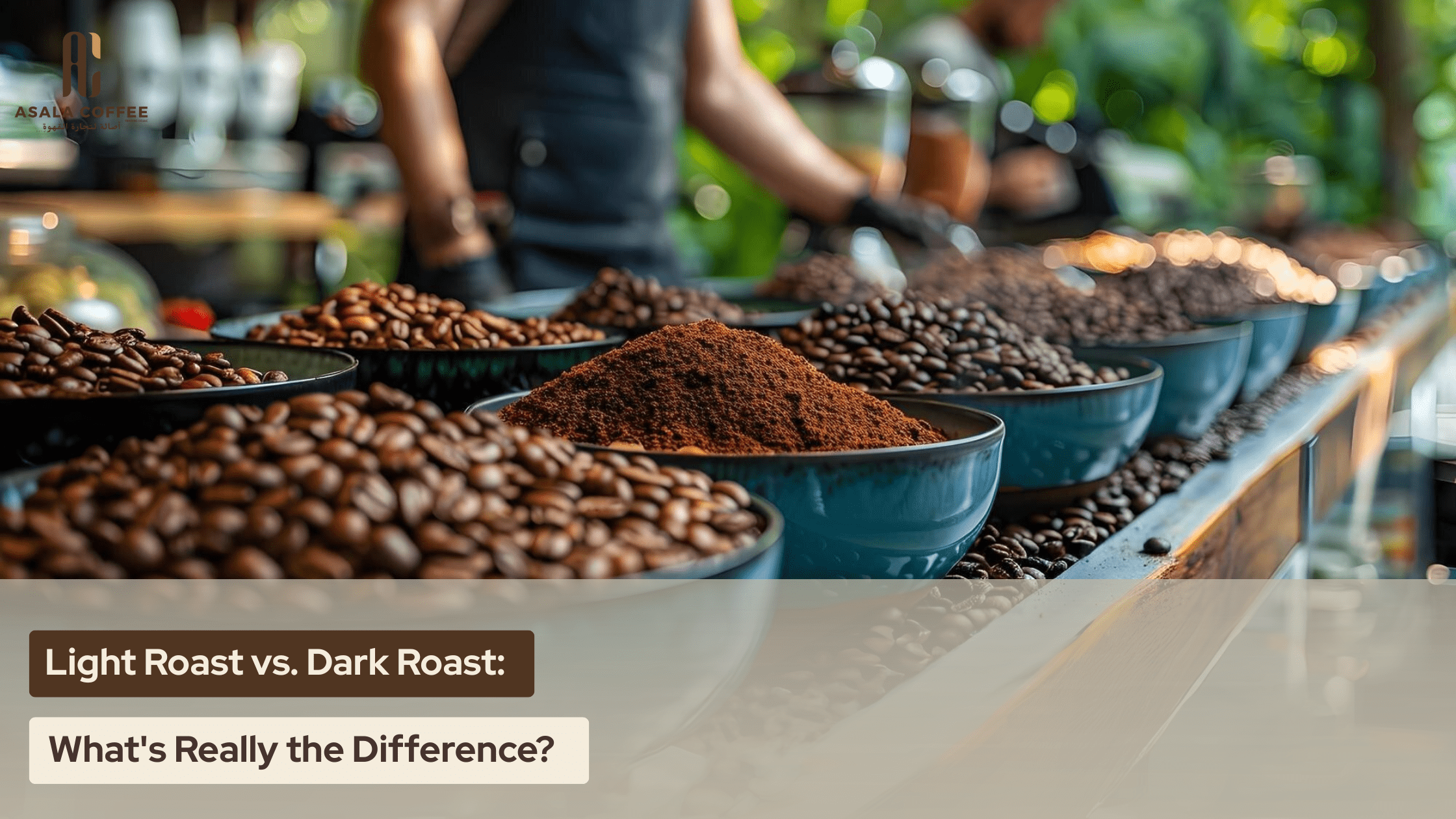
Light Roast vs. Dark Roast: What’s Really the Difference?

You’re standing in front of a wall of coffee bags at your local roastery. On one side, the labels boast “Bright & Fruity Light Roast!” On the other, “Bold & Smoky Dark Roast!” It’s a common crossroads for coffee lovers, often clouded by a big misconception: that dark roast is “stronger” and has more caffeine. But what if everything you thought you knew was wrong? The truth is, the journey from green seed to aromatic bean is a story of heat, time, and taste. Understanding the real difference between light and dark roast is the key to unlocking a world of flavor and finding your perfect cup. Let’s dive in and bust the myths for good. The Roasting Process: It’s All About Heat First, let’s talk about what roasting actually does. A coffee bean is a seed. Roasting transforms it, creating the complex oils, aromas, and flavors we love. Light Roast beans are roasted for the shortest time, stopping shortly after the “first crack” (a popping sound similar to popcorn). This preserves the bean’s original character. Dark Roast beans are roasted for longer, through or beyond the “second crack.” This process breaks down the bean’s inherent flavors and creates deeper, roast-driven notes. Visual Cue: Think of toasting marshmallows. A light toast gives you a warm, gooey center with a hint of caramel. A dark toast gives you a crisp, smoky, charred flavor. The same principle applies to coffee. Myth Busting: The Caffeine Showdown Here’s the biggest myth we’re going to bust: Dark roast does NOT have more caffeine. In fact, the opposite is often true. The Science: Caffeine is remarkably stable during roasting. However, coffee beans lose water mass and expand in size as they roast. By Volume (using scoops): A scoop of light roast contains denser, smaller beans. Therefore, you get more coffee beans (and thus more caffeine) per scoop compared to a scoop of larger, less-dense dark roast beans. Winner: Light Roast. By Weight (using a scale): If you measure your coffee by weight (e.g., 20 grams), the caffeine content is nearly identical. The slight loss of caffeine in dark roast is almost negligible. Winner: It’s a Tie. The Verdict: While the difference is small, light roast technically wins if you measure by volume. But the real takeaway is that dark roast is certainly not “stronger” in terms of caffeine. The perception of strength comes from flavor, not stimulant content. Flavor Profile: A Tale of Two Coffees This is where the magic happens. The roast level dramatically changes the taste of your coffee. Which Roast is Right for You? A Simple Guide Stop thinking about “strength” and start thinking about “flavor preference.” Choose a LIGHT ROAST if you: Drink your coffee black. Enjoy exploring subtle, nuanced flavors. Appreciate the story behind where your coffee comes from. Prefer a brighter, less bitter cup. Choose a DARK ROAST if you: Take your coffee with milk, cream, or sugar. Love a classic, bold, and robust coffee taste. Prefer a low-acidity, smooth cup. Are a fan of espresso-based drinks like lattes and cappuccinos. (And don’t forget about Medium Roast—the perfect balance of origin flavor and roast sweetness, great for almost any brew method!) The Final Sip The battle between light and dark roast isn’t about which is better—it’s about understanding what they offer. Light roast is a passport to a coffee farm’s unique terrain, while dark roast is the comforting, bold signature of the roaster’s craft. Forget the myth of “stronger” caffeine. Let your taste buds be your guide. The best way to know? Grab a bag of each and brew them side-by-side. You might be surprised at which one truly wakes up your palate.

Read More »

Exploring the Rich History of Coffee in Dubai

Dubai is a very well-known place for traditions and blending cultures together. However, one tradition that has stood the test of time is Coffee. From the Arabic Gahwa to modern-day cafes, Coffee has made its mark everywhere in Dubai’s history. The journey of coffee in Dubai begins with coffee beans, which carry stories of trade, hospitality, and identity across generations. 1. The Early Journey of Coffee in the Arab World  Before reaching Dubai, coffee had its roots in Yemen and spread across Arabia. It became part of religion, trade, and social gatherings. 2. How Coffee Reached the Gulf and Dubai  Dubai’s location as a trade hub helped it adopt coffee culture quickly. 3. Arabic Qahwa: Dubai’s Signature Coffee  Arabic qahwa is the traditional coffee of Dubai. Light in roast and flavored with spices, it is served at almost every important occasion. 3.1 Coffee as a Sign of Hospitality  Serving coffee is a cultural expression of respect in Dubai. 3.2 Social Traditions Linked to Coffee  Coffee in Dubai has its own rules and traditions that create respect and balance. 4. Coffee Trade and Dubai’s Economy  Before oil, coffee was part of the trade that helped Dubai grow. 5. The First Coffee Houses in Dubai  Coffee houses were early community centers where people gathered. 6. Modern Coffee in Dubai Overview: Dubai’s coffee culture today mixes global trends with local roots. 6.1 Local Roasters and Specialty Shops Overview: Dubai is now home to many expert roasters that focus on quality. 6.2 Influence of Global Coffee Culture Overview: Dubai’s global status means coffee here is influenced by many traditions. 7. Coffee as a Symbol of Dubai’s Identity Overview: For Dubai, coffee is more than a drink — it is part of its cultural story. 8. The Future of Coffee in Dubai Overview: Dubai’s coffee culture will continue to grow and change with the times. 8.1 Coffee Tourism Overview: Dubai may soon become a destination for coffee lovers worldwide. 8.2 Technology and Innovation Overview: Technology is reshaping the way coffee is enjoyed in Dubai. Conclusion. On the bottom line, the history of coffee in Dubai is rich and alive. From its beginning to now, it has been traded for its role in traditional gahwa ceremonies. Today, Dubai’s modern coffee scene also brings together global trends.  From Arabic traditions to specialty roasters, the city offers every kind of coffee experience. Looking ahead, Dubai will continue to grow as a hub for coffee lovers worldwide.

Read More »